
Where the Money Really Goes in a Kitchen Remodel
By Joshua Pepper, Owner of Dream Bath of California • November 14, 2026

The Number That Surprises People

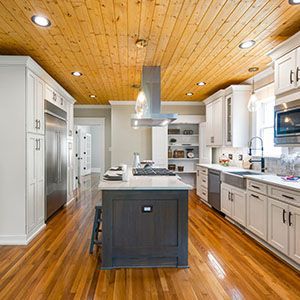
When homeowners picture a kitchen remodel, they picture the finished room: the island, the stone, the pendant lights. When they see the first real budget, the surprise is not the total. It is where the money goes.


The things you admire in a magazine are often the smaller lines. The things you

never think about are the big ones. Understanding that before you start is the difference between a remodel that stays on budget and one that drifts.


Here is how a kitchen budget actually breaks down, and where I would spend and save.


Cabinets: The Biggest Line

Cabinetry is usually the largest single cost in a kitchen, often a third of the budget or more. That surprises people until they count the boxes. A typical

kitchen has twenty to thirty of them, and every one has a door, hinges, drawer slides and a finish.


This is also where quality shows up every day. Soft-close drawers, plywood boxes instead of particleboard, full-extension slides and a finish that will not yellow are the difference between a kitchen that feels solid at year ten and one that feels tired at year three.


My advice is simple: do not economize on the boxes you open fifty times a day. Economize on the ones you open twice a year.


Countertops and the Things You Touch

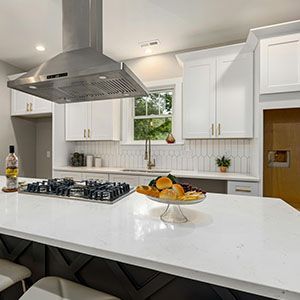
Countertops are the second big line, and the one homeowners enjoy choosing most. Quartz has become the default for good reason: it never needs sealing and handles daily life without complaint. Quartzite is the upgrade for people who want real stone and are willing to care for it.


Then come the things you touch: the faucet, the hardware, the sink. These are small lines on the budget and enormous lines in how the kitchen feels. A cheap faucet is noticed every time you turn it on. A good one disappears into the routine, which is exactly what you want.


The Money You Never See

A meaningful share of every kitchen budget goes to work that is invisible when the job is done: demolition and haul-away, moving plumbing, adding circuits for new appliances, bringing old wiring up to code, and the lighting plan.


Homeowners sometimes see this as money that does not buy anything. I see it the other way. This is the part that makes the kitchen work. Moving the sink to the island, adding a dedicated circuit so the microwave stops tripping the breaker, putting real light over the counter where you actually cut vegetables. None of it photographs, and all of it matters.


Lighting in particular deserves more budget than it usually gets. Recessed cans, under-cabinet strips and a pendant or two over the island transform a kitchen for a fraction of what cabinets cost.


Where to Save Without Regret

Keep the layout. If the sink, stove and refrigerator are in reasonable places, leave them there. Every fixture you move brings a plumber or electrician with it.


Skip the exotic. A clean, well-made shaker door in a timeless color will look right in fifteen years. A trendy finish may not look right in five.


Spend on the backsplash last. It is the easiest thing to change later, and the cheapest.


And be honest about appliances. A professional range is a wonderful thing if you cook like a professional. If you mostly reheat, a good mid-range appliance package frees up thousands of dollars for the cabinets you will open every day.


Spend on What You Use, Not What You Show

The best kitchens I have built were not the most expensive ones. They were the ones where the homeowner put the money into the things they touch every day and resisted the things that only look good in a photo.


Start with how you actually live in your kitchen. The budget will follow.


Joshua Pepper is the owner of Dream Bath of California and the Bathroom & Kitchen Remodeling Expert for Brentwood Magazine.
October 30, 2026
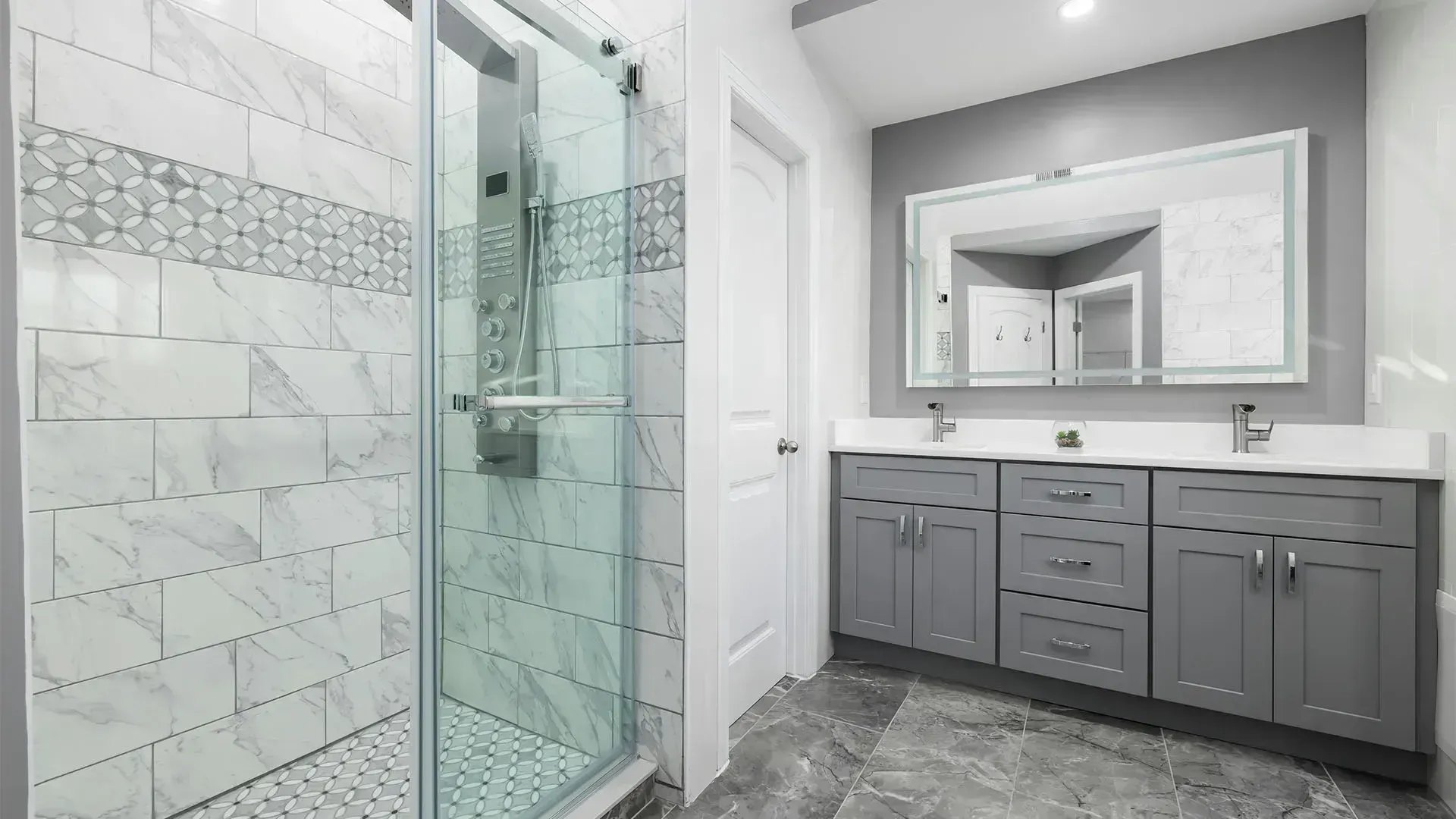
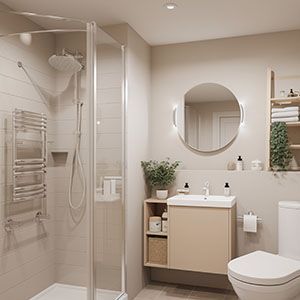
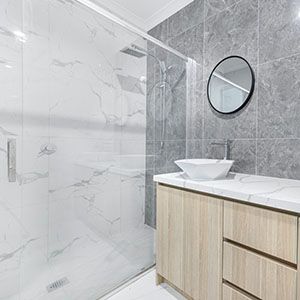
Some Good Wisdom on Bathrooms . A bathroom remodel can be one of the most rewarding improvements you make to your home—but it’s also surprisingly easy to spend money in the wrong places. When I meet with homeowners, I often find that the conversation begins with finishes: What color stone? What style of vanity? Brushed nickel or matte black? Those decisions matter, but they shouldn’t come first. A well-designed bathroom starts with something more fundamental: Where will your investment make the biggest difference? Start With the Shower In most bathrooms I remodel today, the shower is the centerpiece of the project. If you’re deciding where to allocate your budget, this is where I would start. A larger shower, quality wall surfaces, good lighting, proper ventilation, comfortable controls and thoughtful storage will affect your experience every single day. We’re also seeing more homeowners eliminate large tubs they rarely use and dedicate that square footage to a better shower. It’s a practical change that can completely transform the room. Spend Money on What You Touch Some upgrades photograph beautifully but have very little impact on how a bathroom actually feels. Others are the opposite. Cabinet hardware, faucets, shower controls, glass doors and drawers are things you physically interact with every day. Quality is noticeable. A well-built vanity with good storage, for example, isn’t as exciting as an exotic piece of stone—but you’ll appreciate it every morning when everything has a place. Think About Maintenance Now One question homeowners don’t ask often enough is: How difficult will this bathroom be to maintain? Beautiful materials aren’t particularly beautiful when they become a maintenance headache. That’s one reason large-format and slab-style shower surfaces have become increasingly popular. Reducing grout lines can create a cleaner appearance while simplifying long-term maintenance. Good remodeling isn’t just about installation day. It’s about how the bathroom performs years later. Plan for the Future—Without Designing an “Old Person’s Bathroom” This is especially important for homeowners who expect to remain in their homes long-term. A shower bench, handheld showerhead, wider entry, strategically located grab bars and a low-threshold shower can be incorporated beautifully into a modern bathroom. You don’t have to sacrifice design for accessibility. When it’s planned correctly, accessibility is simply good design . The Most Expensive Bathroom Isn’t Always the Best Bathroom ’ve seen homeowners spend heavily on decorative materials while overlooking layout, storage and functionality. I would rather see a homeowner invest intelligently than simply spend more. Before you select a single finish, determine what isn’t working in your current bathroom. Then design the new space around solving those problems. That’s the difference between updating a bathroom and actually improving one. Joshua Pepper is the owner of Dream Bath of California and the Bathroom & Kitchen Remodeling Expert for Brentwood Magazine.